
Capital for the operators who build everything else.
Construction is where cashflow theory meets cashflow reality. Progress payments, retentions, project overlap, equipment cycles, sub-contractor management — the structural complexity is real. So is the opportunity, if the facility matches it.
Cashflow lives in the gap between progress payment and pay run.
Construction operators run a uniquely punishing cashflow cycle. You pay sub-contractors and suppliers fortnightly. You pay your own crew weekly. You're paid by clients on 30-day terms — if you're lucky, on 14-day terms if you've negotiated well. Retentions sit at 5-10% of contract value, released only at practical completion and the end of defects liability. The cashflow gap is structural, not occasional.
Most construction businesses we meet are running on the wrong working capital structure. They've taken whatever facility their bank offered when they were turning over $2M, and they're still on it at $20M. The result is permanent overdraft pressure, slow facility growth, and exposure during the project transitions that should be the easiest periods to fund.
The right capital structure for construction matches facility to cashflow rhythm. Working capital lines sized to receivables, not to revenue. Equipment finance matched to asset life, not lender preference. Project-specific facilities for major contracts. Acquisition or buy-in funding where the strategic move is consolidation rather than organic growth. Each one is a structural decision.
Construction operators rarely need one facility. They usually need three.
A typical construction operator's capital stack combines equipment finance, working capital, and project-specific debt. The right mix depends on the contract pipeline, the equipment intensity, and the operator's growth trajectory.
Equipment & Plant Finance
Earthmoving equipment, plant, vehicles, and specialised tooling. Structured to match productive life — typically 5-7 years for major plant, 3-5 for vehicles. Chattel mortgage for ownership retention, lease structures where balance sheet flexibility matters.
Working Capital & Debtor Finance
The cashflow bridge between progress payment and pay run. Confidential debtor finance for operators wanting to scale without disclosing facility use to clients. Disclosed structures for operators comfortable with transparency.
Project-Specific Facilities
Bonds and guarantees for tender requirements. Performance bonds for major contracts. Retention release facilities for operators with large retention exposures. Each structured to specific contract risk.
Acquisition & Consolidation Capital
For operators consolidating across the sector — buying a complementary trade, acquiring a competitor, or executing a buy-and-build strategy. Layered structures combining senior debt, vendor finance, and equity contribution.
Three recent Construction & Trades engagements.
Five observations from operating in construction.
The first facility ceiling hits at $5M turnover.
Most builders outgrow their original bank facility at around $5M annual revenue. The lender's appetite hasn't scaled. The facility hasn't grown. Working capital becomes the constraint. We see this pattern repeatedly.
Equipment finance is almost never the cheapest option.
It's also almost never the most expensive option once you factor in the cashflow alternative. Structure matters more than headline rate. Don't optimise for the wrong variable.
Retentions are an asset class most operators ignore.
Retention release facilities exist. Most builders we meet have never been offered one. They tie up significant capital because their bank doesn't have a product for it. Specialist non-bank lenders do.
Cross-collateralisation between projects is usually a mistake.
It feels like efficiency. It actually concentrates risk and reduces lender competition. We separate facilities by project where possible — and the difference in negotiating leverage is significant.
Acquisition is faster than scaling crew.
Most sub-$50M construction operators try to grow by hiring and bidding. The faster path, for the right operator, is acquiring a complementary trade or a competitor with overlapping client base. We've structured this transition repeatedly.
The people you'll speak to.

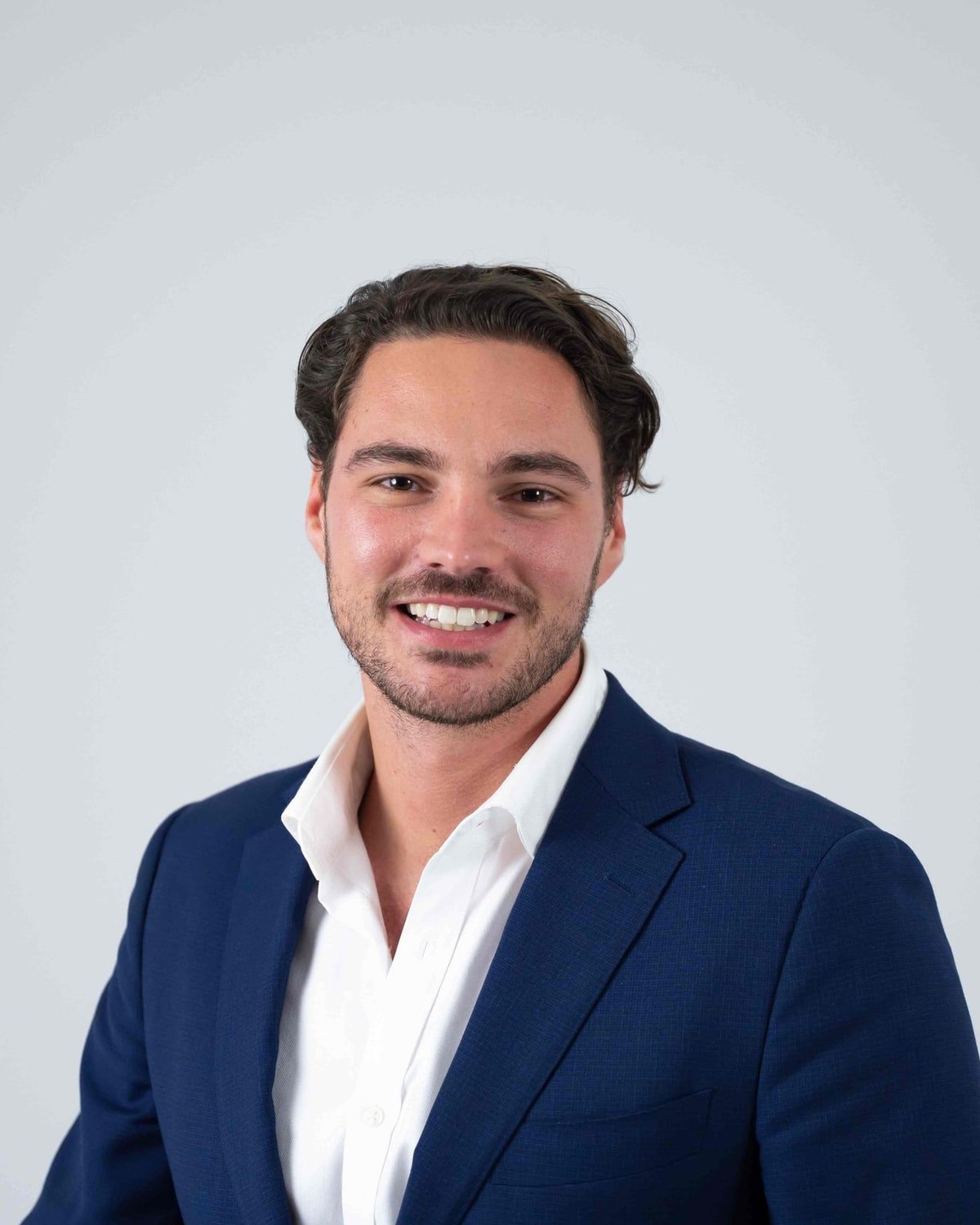
HUNTER SILK
Co-Founder & Director
Property & Development · Construction · Family Business
Hunter leads Colossal's construction and property practice. Sector specialist in development funding, complex multi-entity arrangements, and acquisition structures for construction operators consolidating across the sector.
Talk to our construction lead.
Whether you're refreshing equipment, restructuring working capital, or considering an acquisition — the first conversation is the same. No commitment. No fee. Just an honest discussion of structure.
Discuss a construction facility