
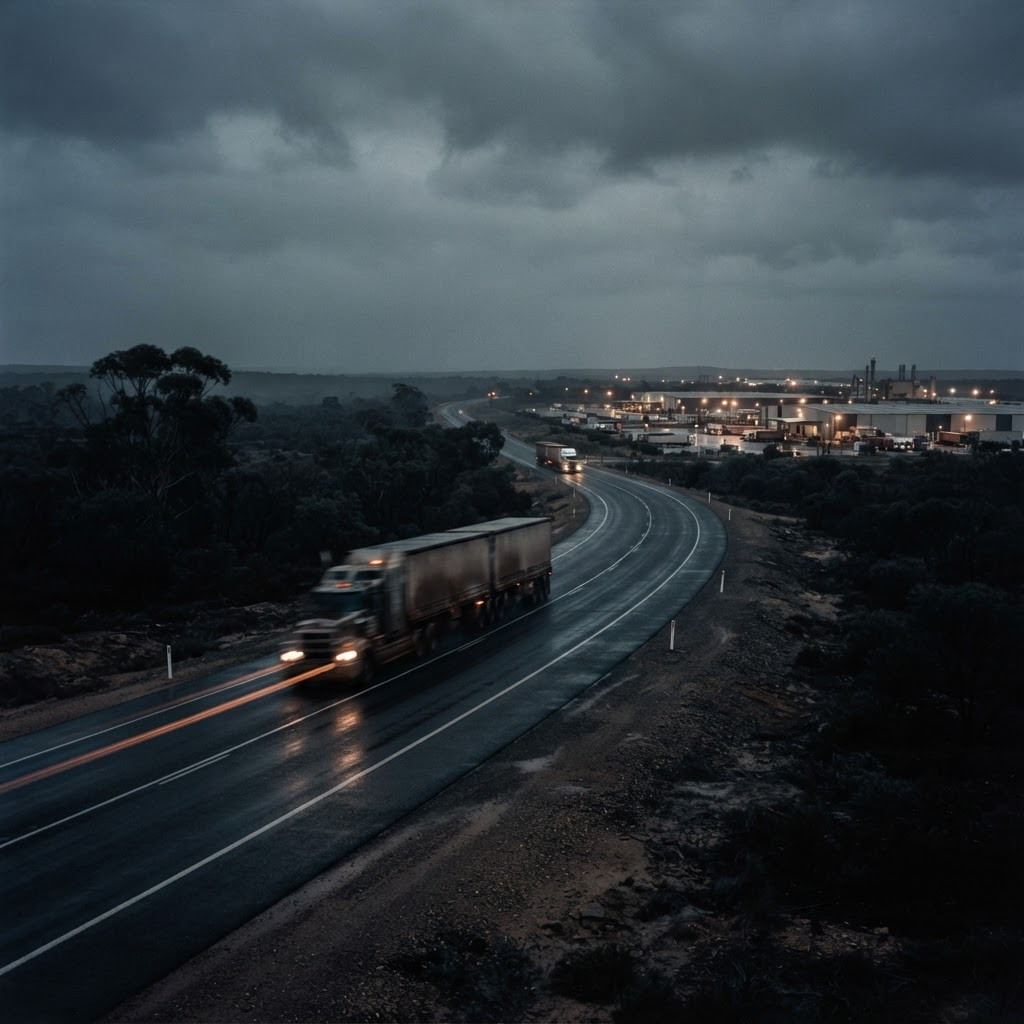

Fleet, freight, and the facilities that move them.
Transport runs on capital intensity that few sectors match. Vehicles, trailers, depots, technology, working capital — every aspect of the operation requires structured funding. The operators who win are the ones with capital architecture that matches their growth ambitions.
A single prime mover costs $300K-500K. A B-double trailer set, another $200K.
Transport operators carry capital intensity unlike most sectors. A single prime mover costs $300K-500K. A B-double trailer set, another $200K-400K. A depot, $2M-10M. Working capital absorbs fuel, wages, and maintenance with revenue lagging on 30-day client terms. The capital requirements scale linearly with the operation.
Most transport businesses we meet have accumulated their fleet through opportunistic finance — chattel mortgages with whichever lender offered the best rate at the time, structured across different terms with no overall coherence. The result is fragmented obligations, inconsistent end-of-term dates, and limited refinance or restructure capacity.
The right capital architecture for transport coordinates fleet finance, working capital, and infrastructure debt into a single coherent structure. Coordinated end-of-term dates allow fleet refresh planning. Coordinated lender relationships create competitive tension and refinance optionality. Coordinated facility growth means the operation isn't constantly bumping into capital ceilings.
Transport operators rarely need one facility. They usually need three.
A typical transport operator's capital stack combines fleet finance, working capital, and infrastructure debt. The right mix depends on the fleet intensity, the customer mix, and the operator's growth trajectory.
Fleet Finance Coordination
Coordinated chattel mortgages and lease structures across the fleet. Matched terms, planned end-of-term timing, integrated refresh strategies. Removes the patchwork problem that plagues most transport operators.
Working Capital & Debtor Finance
Funding the gap between fuel-and-wages outflow and client receivables. Confidential debtor finance for operators with strong receivables ledgers. Trade-cycle facilities for cross-border or specialist freight operators.
Depot & Infrastructure Debt
Commercial property finance for owned depots. Long-tenor structures matched to operational life. Integration with broader operational facilities for coordinated structure.
Acquisition & Consolidation
For operators consolidating across the sector — acquiring a competitor, expanding into adjacent freight categories, or executing roll-up strategies. Layered structures with appropriate equity contribution.
Three recent Transport & Logistics engagements.
Perth long-haul fleet refresh.
Established WA long-haul operator refreshing 12 prime movers and 18 trailer sets. Coordinated structure with matched end-of-term dates for future refresh planning.
Melbourne specialist freight working capital.
Specialist refrigerated freight operator hitting growth ceiling due to working capital constraints. Confidential debtor finance facility scaling with receivables ledger.
Multi-state distribution acquisition.
Regional distribution operator acquiring complementary business across two states. Senior debt with vendor finance integration and acquisition entity structuring.
Five observations from operating in transport.
Most transport operators have five lenders. They should have one or two.
Fragmented fleet finance is the most common structural problem in transport. Consolidation typically saves 60-100 basis points and creates refinance optionality.
End-of-term coordination is worth more than rate optimisation.
Properly coordinated end-of-term dates allow planned fleet refresh. Uncoordinated dates force opportunistic decisions that cost more over the cycle.
Working capital ceilings are usually facility design problems, not credit problems.
Most transport operators capped on working capital are capped because the facility structure doesn't flex with receivables. Restructure typically releases 30-50% more capacity.
Specialist freight unlocks better lenders.
Specialist freight categories — refrigerated, oversize, dangerous goods, last-mile — attract specialist lenders with better pricing and structures than mainstream transport finance.
Acquisition is the underused growth strategy in Australian transport.
Most growth-stage transport operators try to grow organically. The faster, more capital-efficient path is acquisition of complementary operators — particularly across state borders.
Talk to our transport lead.
Whether you're refreshing fleet, restructuring working capital, or considering an acquisition — the first conversation is the same. No commitment. No fee. Just an honest discussion of structure.
Discuss a transport facility